Light changes everything. Scroll through a day and see what each hour brings.
07:00
Grenoble
A city surrounded by mountains.
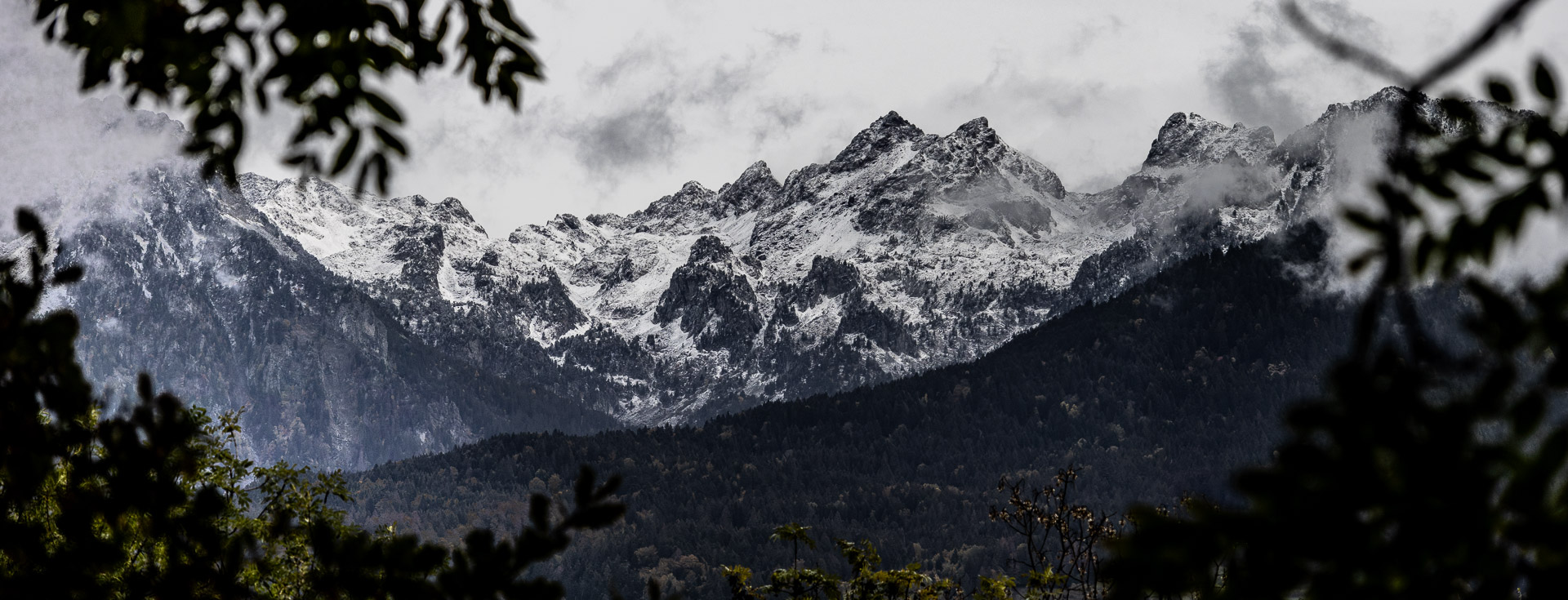
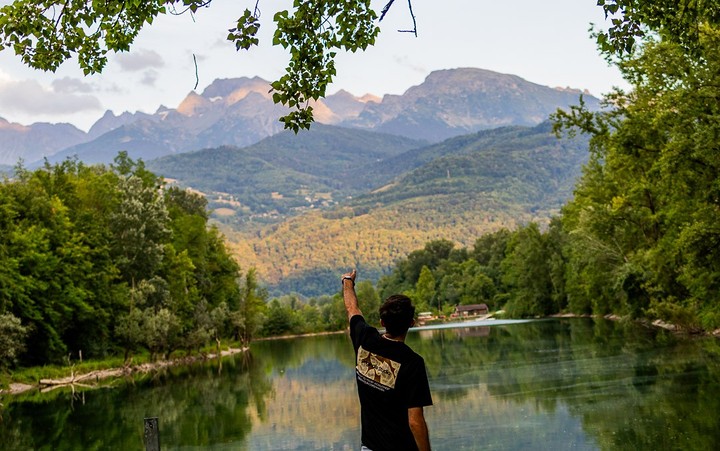
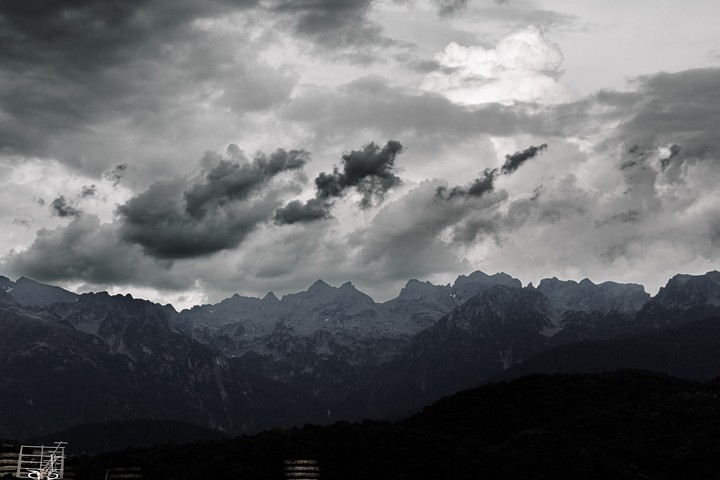
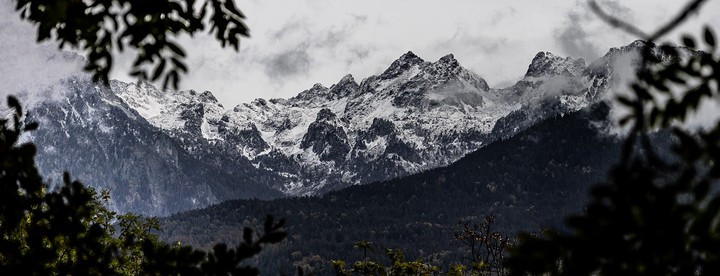
Three mountain ranges ring Grenoble: Vercors, Chartreuse and Belledonne. There is a summit at the end of almost every street, and clouds, storms and sunsets change the light every hour. For a photographer, it is a playground.
3 rangesVercors, Chartreuse, Belledonne
2 riversThe Isère and the Drac meet here
Since 1934The Bastille cable car
2,000 m+Peaks seen from the centre
The valley at a glanceTap a numbered pin to see the spot.
Sky & lightWhen the sun plays with the clouds, look up.
Get to know me
Behind A98.
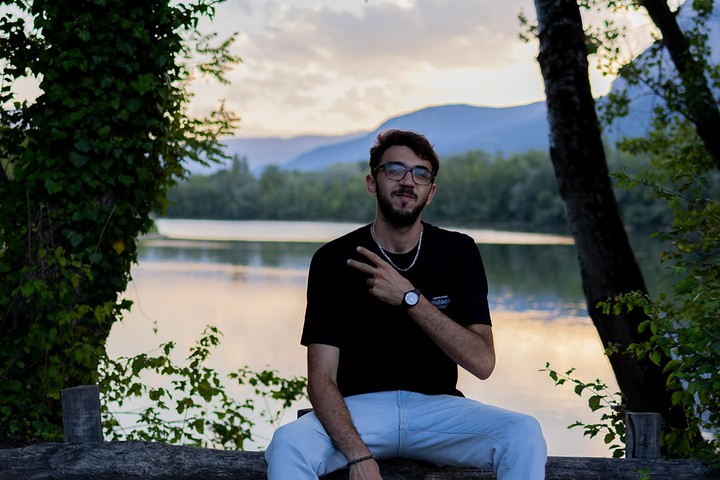
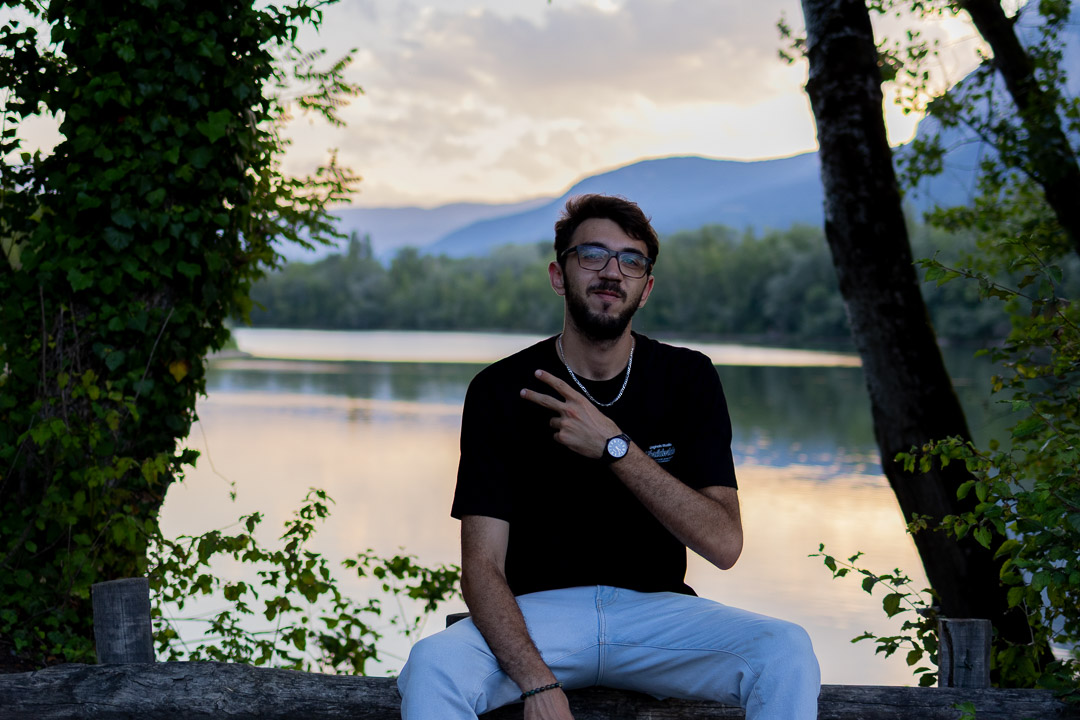
I'm the person behind the camera at A98, based in Grenoble. I started from zero and learned by going out in every kind of weather: mountains on the horizon, storms over the city, quiet evenings by the river.
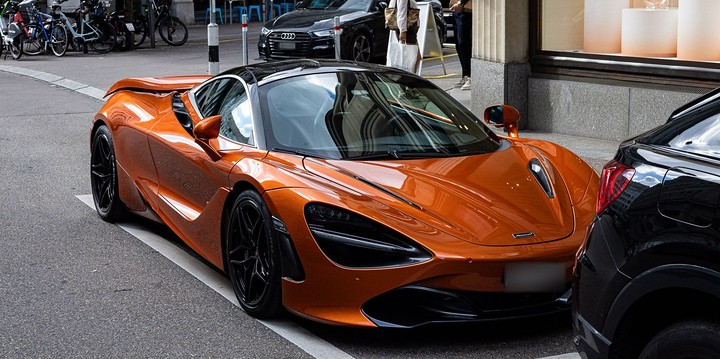
Today I photograph mountains, wildlife, people, pets, cars and small businesses with a Canon EOS R7. I love that a photo can keep a moment that would otherwise be gone in a second.
My path
First camera, first photos: learning light from scratch
Moved to the Canon EOS R7 with the RF 35mm f/1.8
Added the RF-S 18–150mm for wildlife and faraway details
No stiff poses, no stress. We walk, we laugh, we try ideas, and you leave with photos for your profile, your work or your family album. Moments like these go fast. Photos keep them.
Photography is drawing with light. The same place looks completely different at noon and at sunset. The low sun of the golden hour gives warm, soft light, and the blue hour after sunset gives deep blue skies.
The sun's path through a day. The best light is near the ends, not in the middle.Direct sun makes strong, sharp shadows. Clouds spread the light and soften everything, which is lovely for faces.
A camera is a dark box that lets light in for a moment. The lens focuses the light, the aperture decides how much comes in, the shutter decides for how long, and the sensor records it.
03
Exposure
Exposure is how bright a photo is. Three settings control it: aperture, shutter speed and ISO. Each one adds light, and each one also changes the look of the photo.
From left to right, each step lets in twice as much light as the one before.
Depth of field is how much of the photo is sharp, from front to back. A wide aperture like f/1.8 keeps only a thin slice sharp, which makes portraits stand out. A small aperture like f/11 keeps almost everything sharp, which suits landscapes.
The blue zone is what looks sharp. Tap the buttons to change the aperture.
Composition is where you put things in the frame. A few simple rules make photos feel calm and intentional. Tap each button to draw the guide on my photos.
Rule of thirds
Thirty photos around a core of light. Drag to turn it, tap a photo to open it, tap the sky to call the lightning.
Leading lines
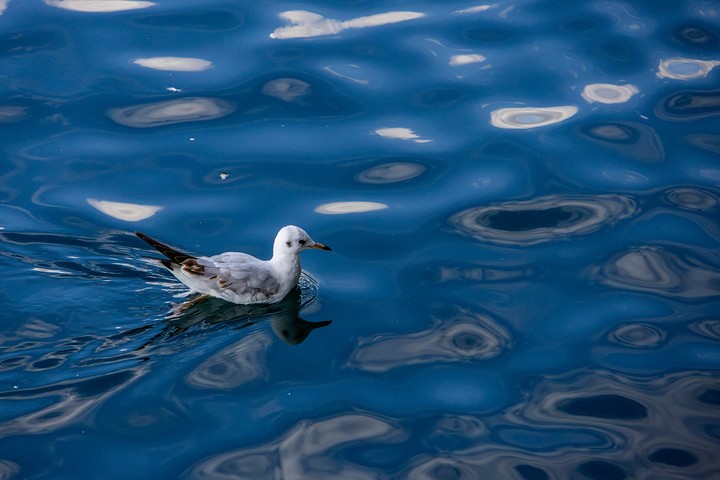
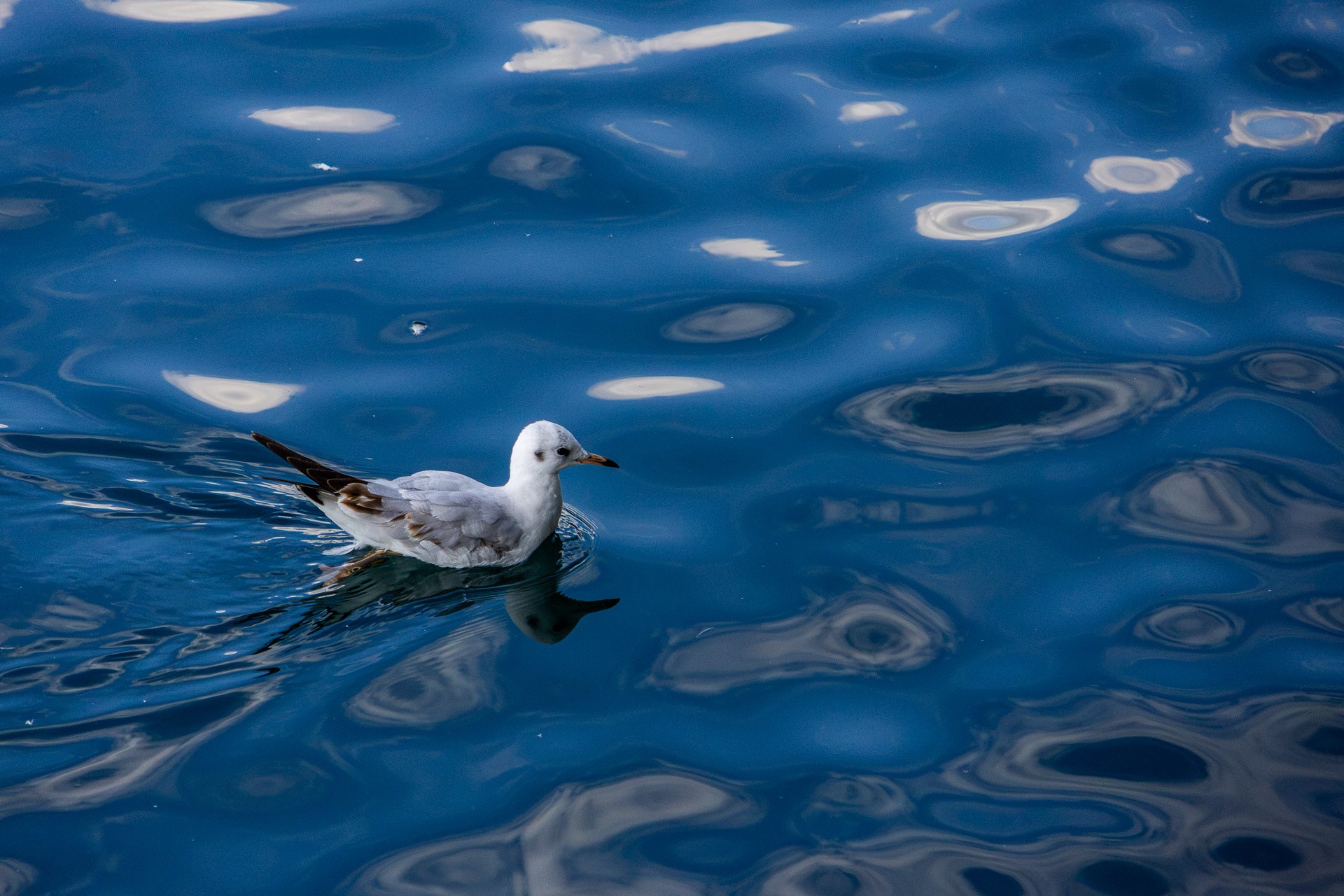
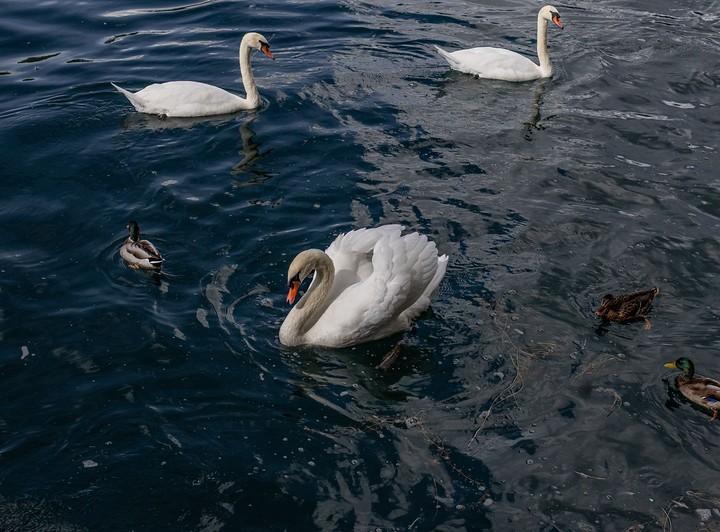
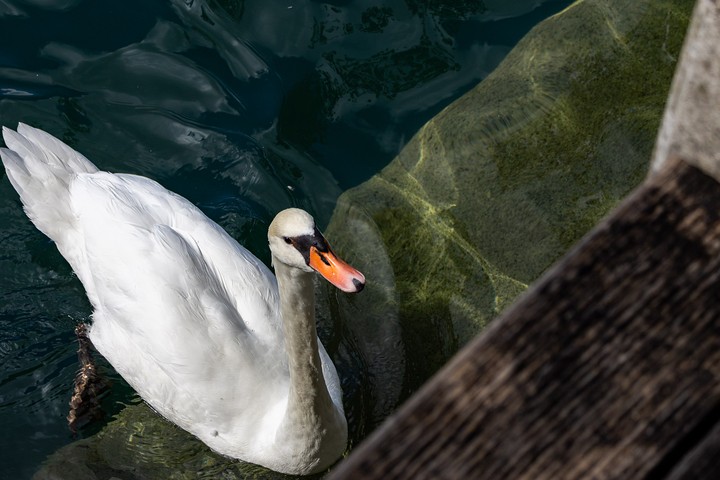
Lines in the scene guide the eye to the subject. Here the wooden pier points to the swan.
Natural frame
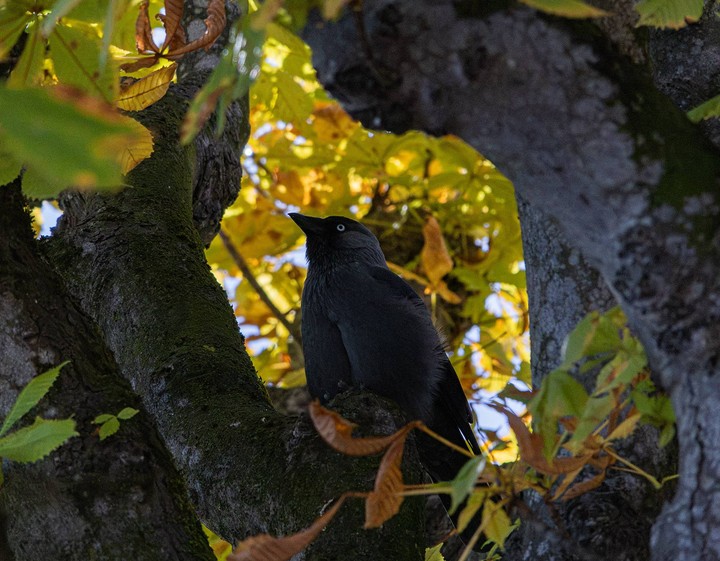
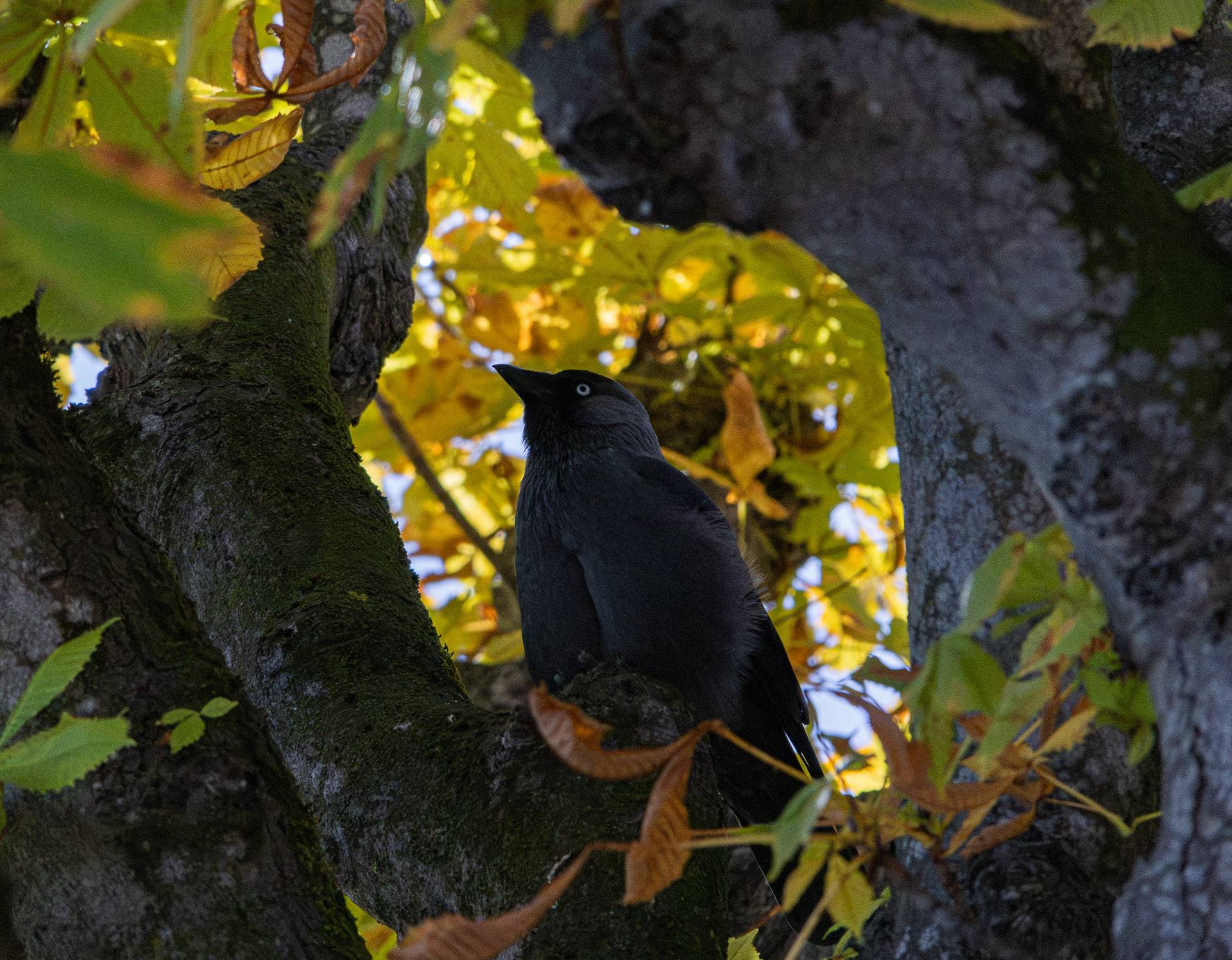
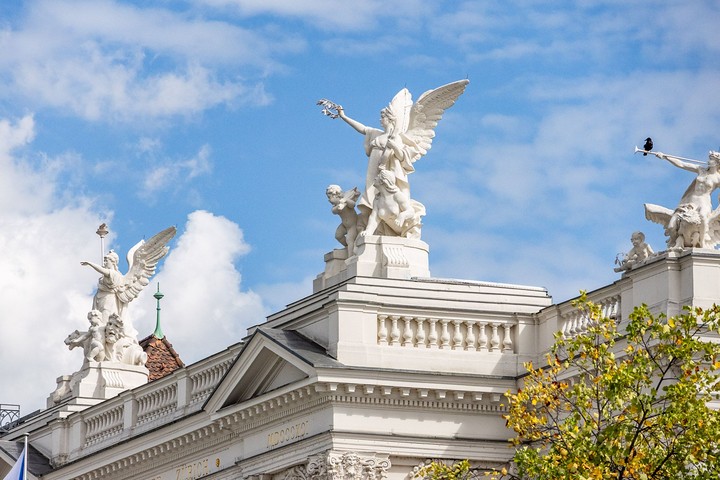
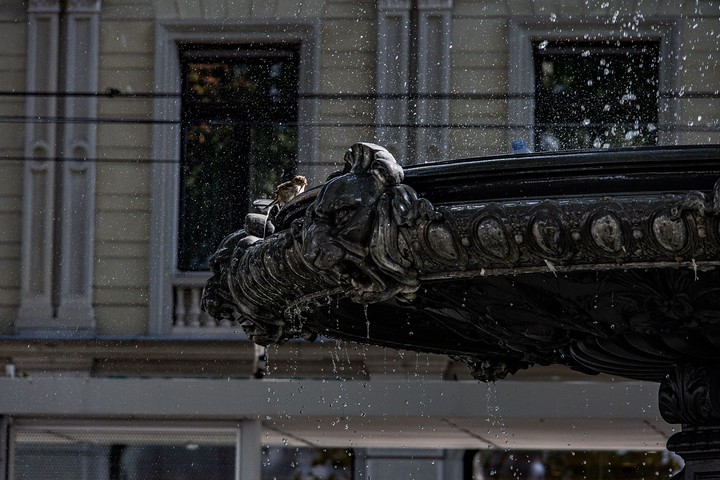
Branches, doorways or windows around the subject pull the eye in. Here the leaves frame the jackdaw.
Zoom burst
With a slow shutter, turn the zoom ring while the photo is taken. Lights stretch into streaks.
06
Colour
Every light has a colour, measured in Kelvin. Candles are orange, shade is blue. The camera's white balance corrects it so that white looks white. Move the slider to see what happens when it's set wrong.
2500K5500K10000K
Colour
Canon colours
Canon is known for warm, natural colour: healthy skin, rich greens, true skies. Tap a photo to see its main colours.
Bit depth
Why bits matter
· More bits = more shades. A JPEG has 256 per colour, the R7's RAW files up to 16,384. Skies stay smooth after editing.
07
Gear
You don't need expensive gear to start. Everything here was shot with one camera and two lenses. What matters is understanding what each piece does.
Crop factor
What “1.6× crop” means
Full frameEOS R7
The R7's sensor is smaller than full frame, so it sees only the red box: like zooming in 1.6 times. Great for wildlife.
Longer focal length = narrower view = things look closer.
08
RAW & editing
A RAW file is like a film negative. It keeps all the information from the sensor, so the edit can recover skies, shadows and colours. A JPEG is the finished print: lighter, but with less room to adjust.
Straight from RAWMy edit
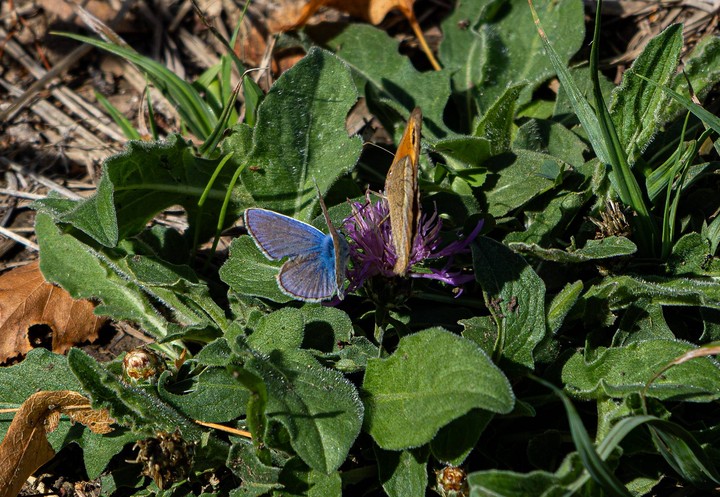
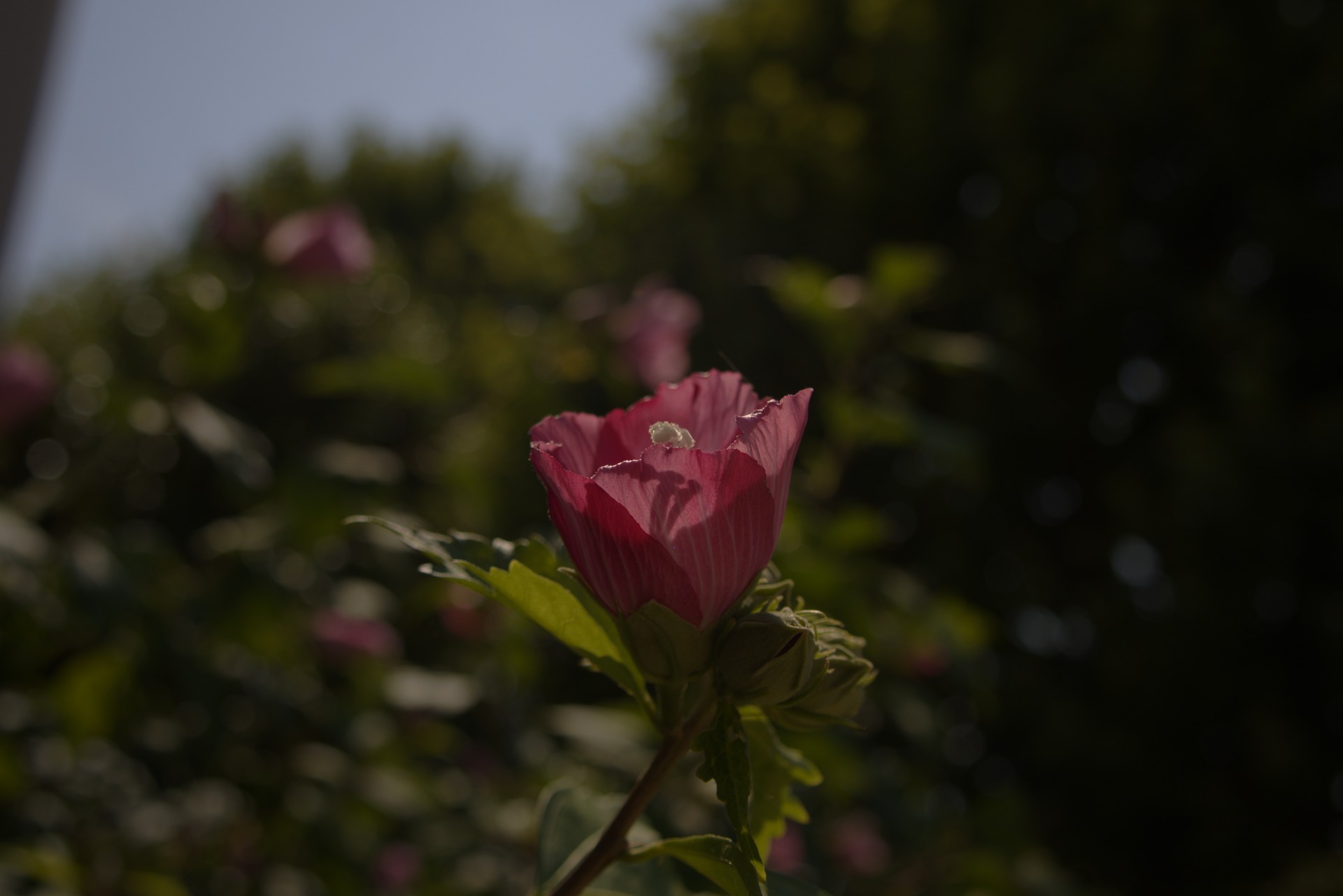
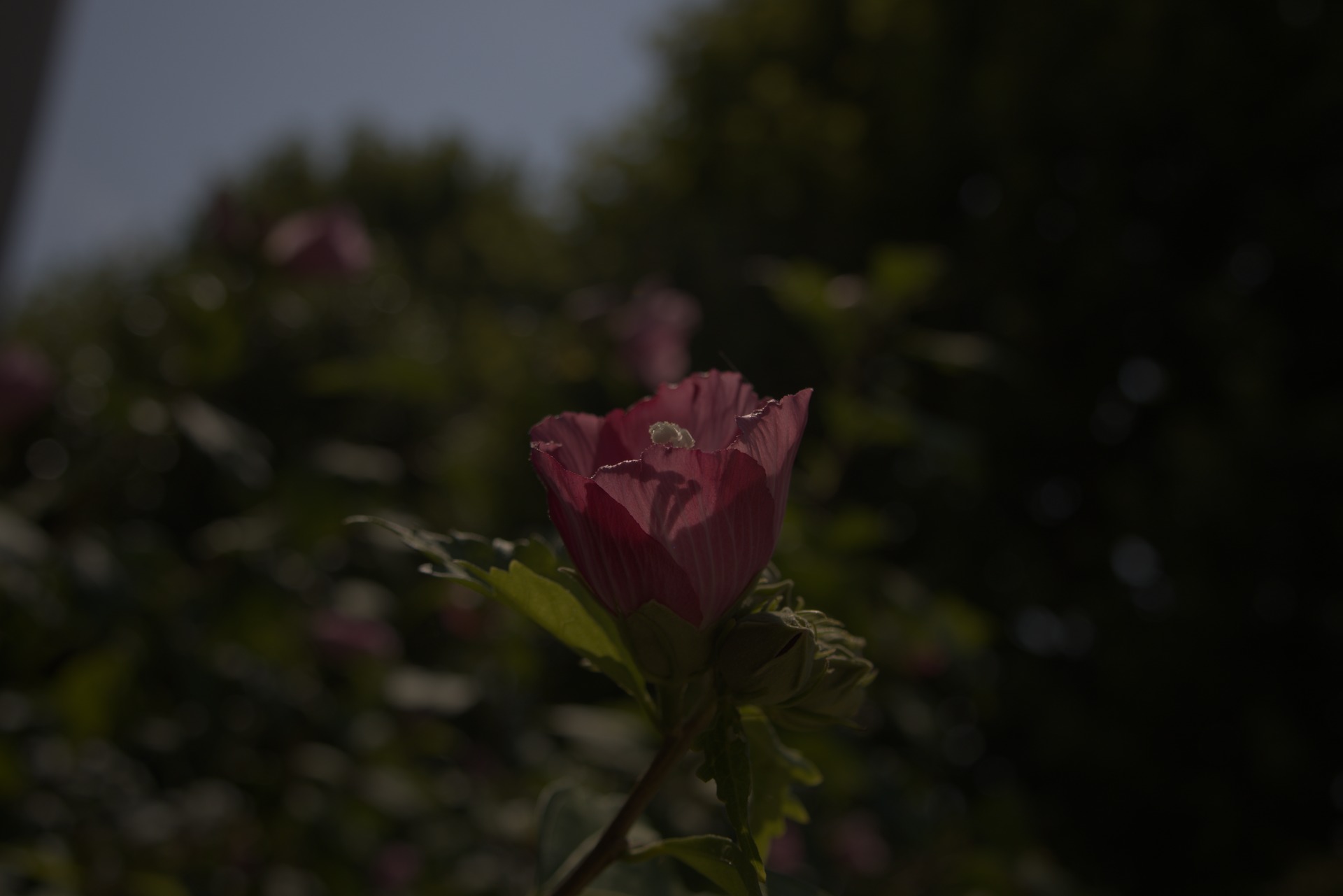
Drag the handle. Left: my RAW file with no edits at all. Right: my edit, with a brighter flower and a calmer background. Same file, two looks.
09
Sky phenomena
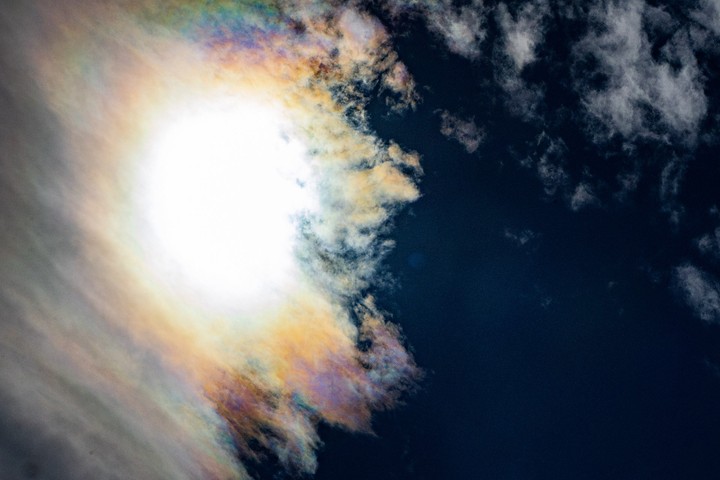
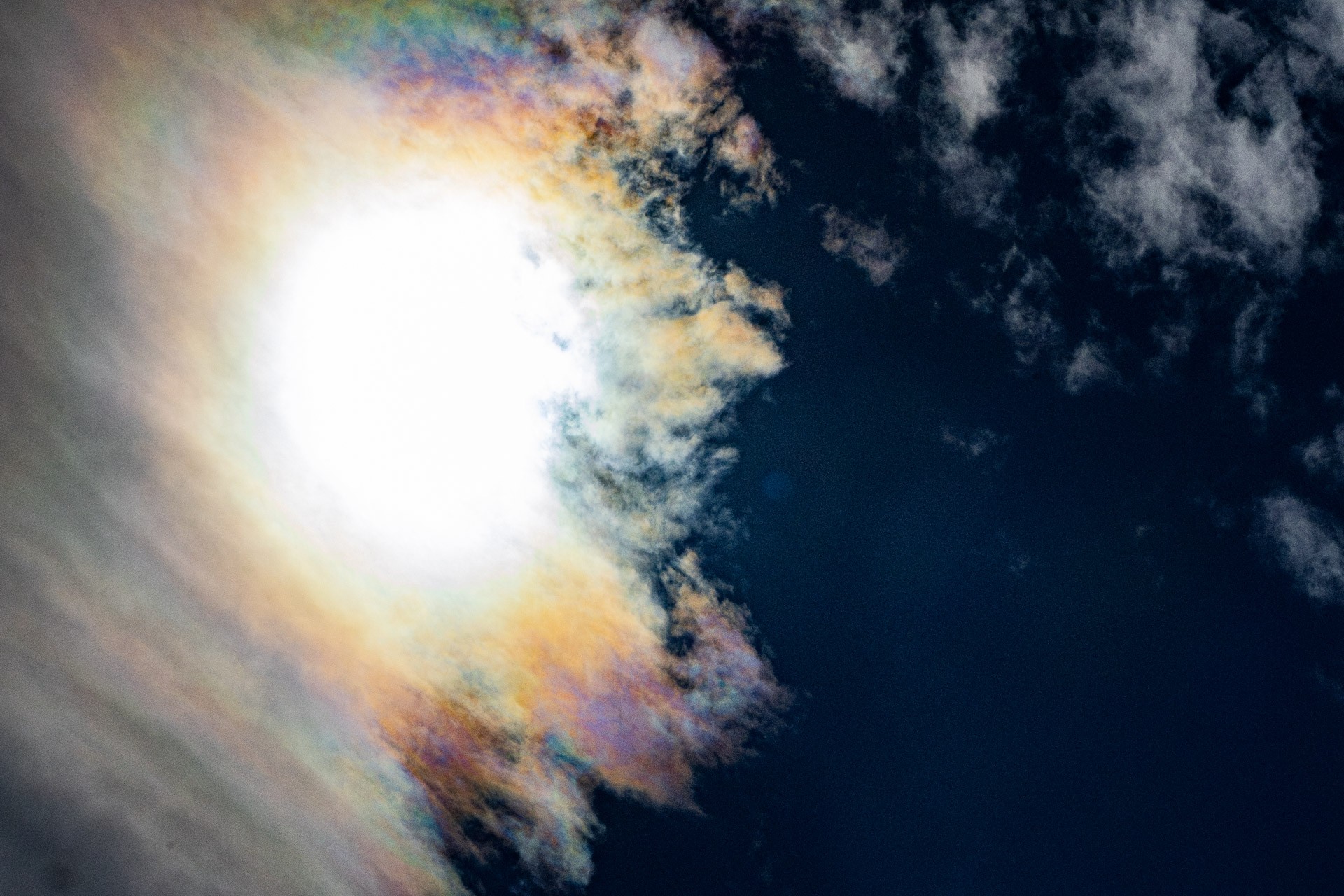
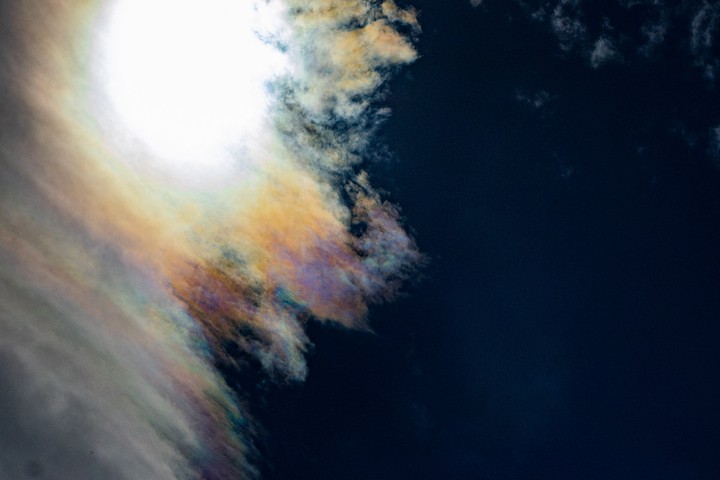
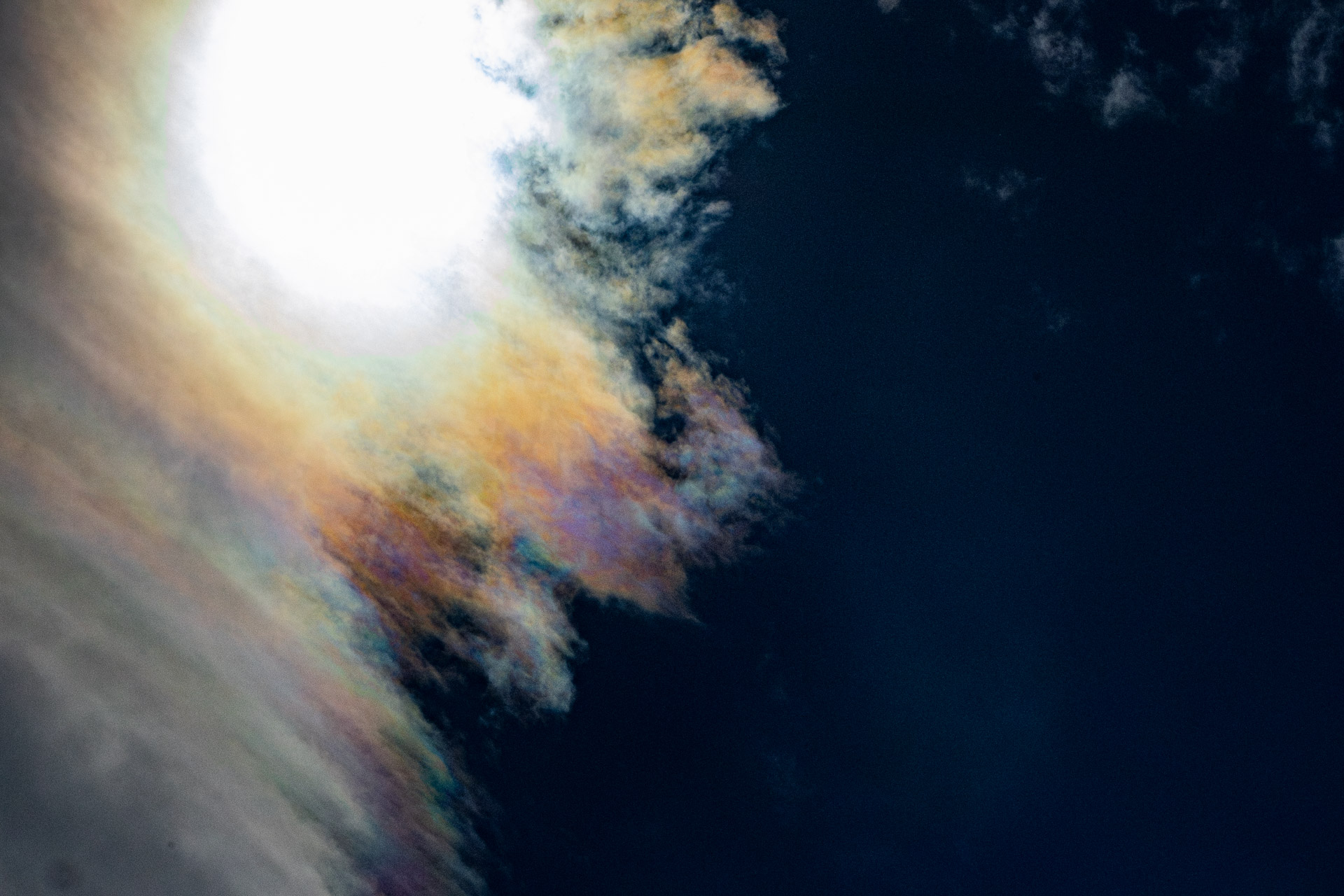
On days with thin clouds, look up near the sun. Tiny water droplets bend sunlight into pastel colours. This is called cloud iridescence, and these two photos show it.
Light passing tiny droplets splits into colours, a bit like the colours on a soap bubble.10
Wildlife
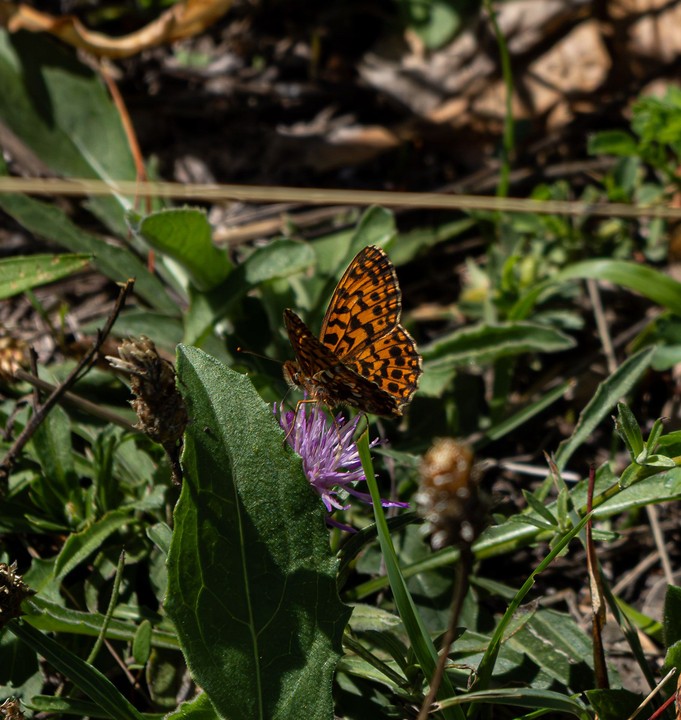
Wildlife photography is mostly patience. Every animal has a comfort zone: step inside it and it flies away. A zoom lens lets you stay outside the zone and still fill the frame.
On the R7, the 150mm zoom frames like a 240mm lens, so you can stay far away.
The best camera is the one you have with you. Phones follow the same rules of light, focus and composition. Try the phone below: tap to focus, turn on the grid, change the brightness and compare the zooms.
☀
1×
Tap the screen to focus
Zoom
Tap the screen to place the focus point. Compare 3× (a real lens on many phones) with 30× (digital zoom).